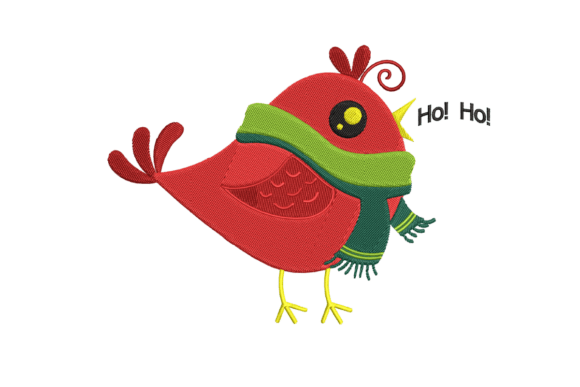
Christmas Bird
A Festive Addition to Your Embroidery Toolkit
As a designer who’s stitched through countless projects, I’ve learned that the right embroidery design can elevate a handmade product from good to unforgettable. The Christmas Bird is one such design that caught my eye with its charm and versatility. Before diving into its potential uses, I wanted to evaluate it as a practical asset for real-world embroidery work.
First Impressions: A Warm and Adorable Presence
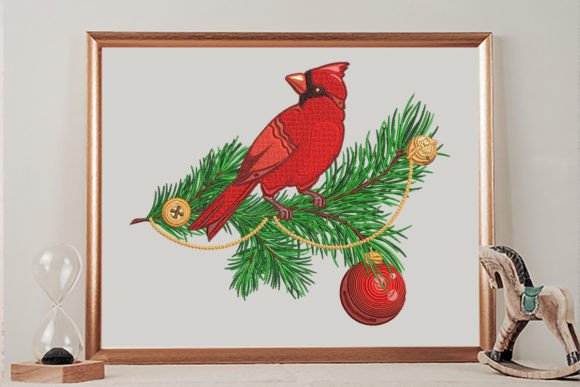
The first thing that struck me about Christmas Bird was its visual personality—it feels cozy, festive, and just a little magical. The bird’s shape is rounded and approachable, with soft lines that make it feel like a companion rather than a decoration. Its color palette is warm, leaning into reds, greens, and golds, which are classic Christmas tones but not overly saturated. This makes it adaptable to a range of fabric backgrounds without clashing.
The detail level is thoughtful but not overwhelming. The feathers are rendered with a mix of satin stitch and running stitch, creating a sense of texture without sacrificing clarity. There are subtle fill stitches that add depth, especially around the bird’s body and wings. These details contribute to the design’s charm but also raise a question: how will this translate when stitched on different materials?
Real-World Use Cases: Where Does Christmas Bird Fit Best?
When considering where to use Christmas Bird, I immediately thought of custom apparel—specifically, sweatshirts, tote bags, and baby items. The bird’s size and placement make it ideal for front panels or side seams, where it can be the focal point without overcrowding the design space. It would look especially cute on a holiday-themed tote bag or a personalized baby blanket.
For custom apparel, the design’s simplicity allows for easy integration into larger patterns. Imagine pairing Christmas Bird with other festive elements like snowflakes or holly to create a cohesive holiday collection. On a sweatshirt, it could sit comfortably in the center, while on a cap, it might need to be scaled down to fit the smaller surface area.
Another promising use case is embroidered patches and appliance covers. The bird’s shape lends itself well to small formats, making it perfect for adding a touch of holiday cheer to aprons, kitchen towels, or even embroidered caps. However, I’d caution against using it on curved surfaces like hats unless the design is specifically optimized for those shapes.
Practical Considerations: What to Watch For
While Christmas Bird has a lot of appeal, there are a few areas where it might require extra attention during the stitching process. For instance, the design includes some small lettering near the bird’s feet, which could become difficult to see on dark fabrics. Testing the design on a scrap of fabric before committing to a final project is always a wise move.
Also, the stitch density in certain areas, particularly around the bird’s wings, might be tight enough to cause issues on thin or stretchy fabrics. Using the right stabilizer and ensuring proper hoop size can help prevent puckering or distortion. If you're planning to sell finished products, double-check the license terms to ensure you have the right to use the design commercially.
One thing that stood out to me was the visual appeal of Christmas Bird across different fabric textures. On a smooth cotton or linen, it looks crisp and clean. But on a textured fabric like denim or canvas, the design still holds up, though the feathers may appear slightly more rugged. This versatility is a plus, especially for crafters looking to expand their product offerings.
Design Notes for Embroidery Professionals
If you’re an Etsy seller or small shop owner, consider how Christmas Bird fits into your brand identity. Is it playful? Sophisticated? Whimsical? The design leans toward the latter, so it might pair well with other whimsical or handcrafted elements. When creating printable mockups or digital previews, test the design in both light and dark backgrounds to ensure it remains legible and appealing.
For commercial embroidery or digital product sellers, it’s important to verify that the embroidery file supports multiple formats and is compatible with your machine. While the description mentions support for various file types, specifics like stitch count or hoop size aren’t provided, so it’s best to confirm these details before purchasing or licensing.
Finally, remember that the success of any embroidery project depends on the finished product and how it’s presented. Whether you’re creating a personalized gift or a craft fair item, the way Christmas Bird looks after stitching will greatly influence customer perception. Take the time to inspect every detail—especially the smaller elements—to ensure your final piece meets the high standards expected by today’s discerning buyers.